Program

Our Family Age Group Program

One Classroom. Shared Experiences. A Place to Grow Together.

At Heart at the Door Daycare, we do things a little differently.

Rather than separating children into traditional age-based classrooms, we bring infants, toddlers, and preschoolers together in one carefully designed family-age group. This creates a warm, connected environment where children of different ages can learn from one another, build meaningful relationships, and grow together.

Our program is intentionally kept small, with a maximum of 15 children. This allows us to create a more personal environment where children are known, their individual needs can be recognized, and strong relationships can develop between children, educators, and families.

We believe that children benefit from being part of a community where everyone has a place — where younger children have older peers to look up to, older children have opportunities to lead and help, and everyone has opportunities to learn through play, cooperation, discovery, and everyday experiences.

It's more than a classroom. It's a little community where children can belong, connect, and grow.
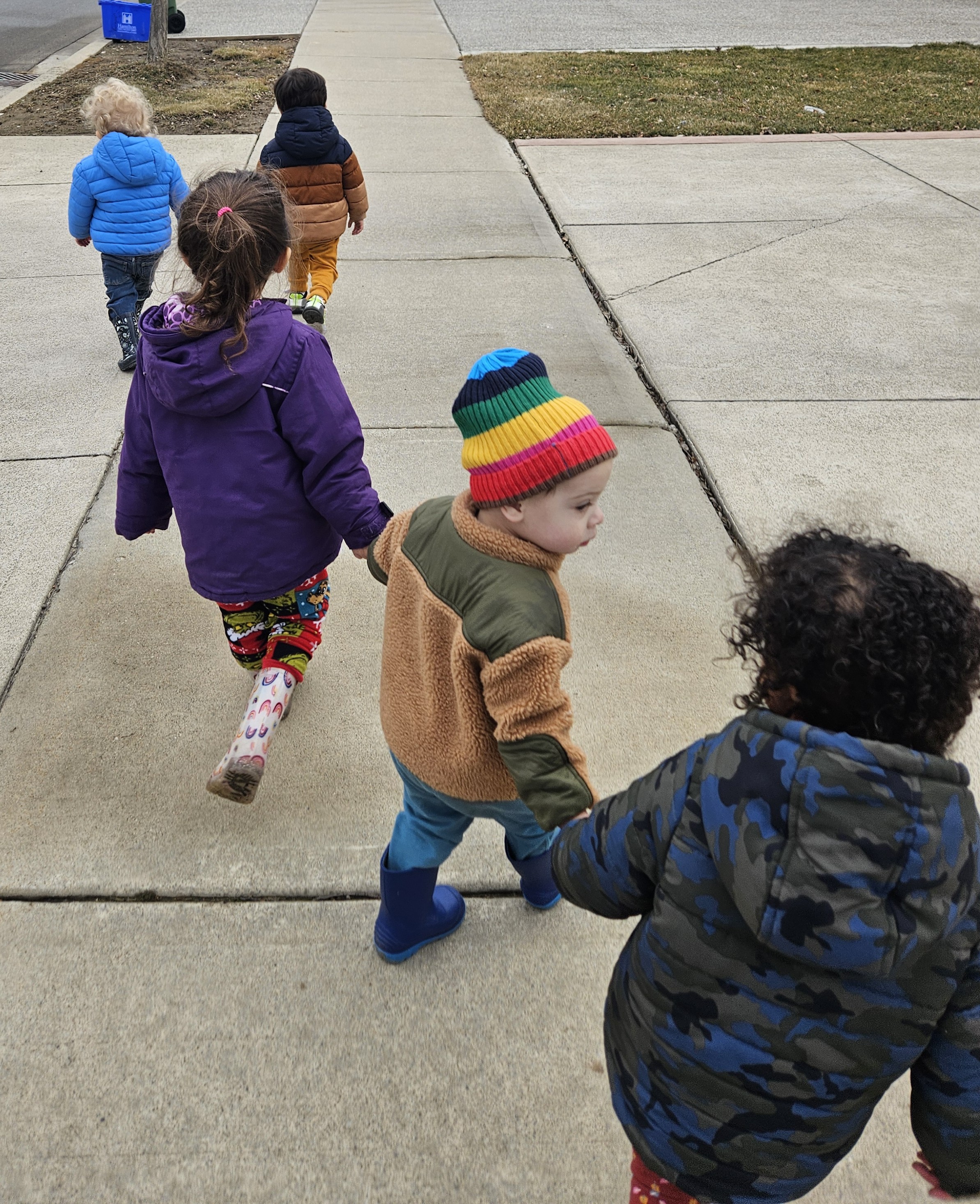
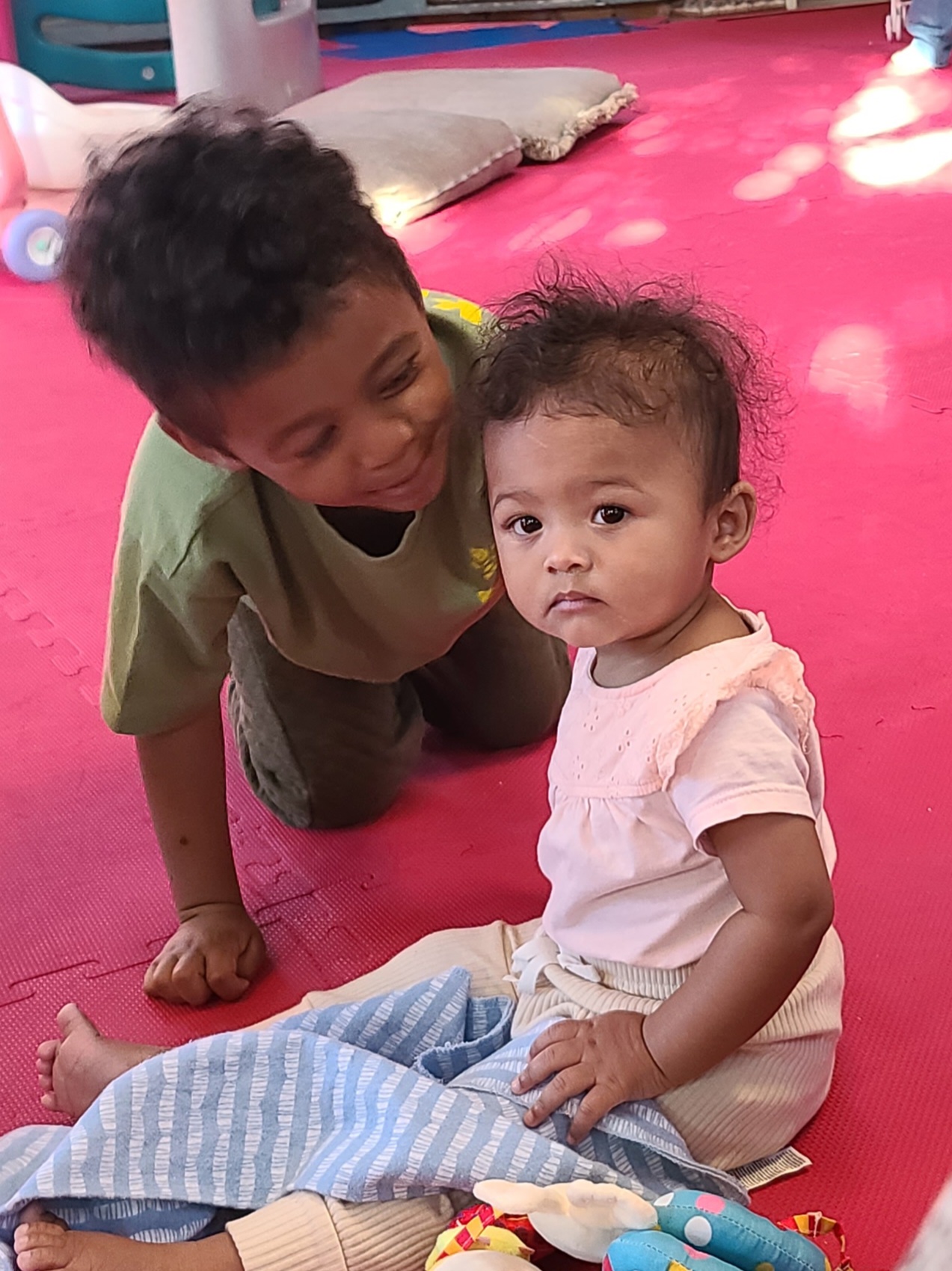
Family age grouping classroom
Benefits

What Makes Our Program Special

A True Home-Away-From-Home

Our family-age environment is designed to feel warm, welcoming, and familiar. Children spend their days in a consistent community where they can develop a strong sense of belonging and security.

Learning From One Another

Mixed-age groups create natural opportunities for children to learn from their peers. Younger children observe and imitate older children, while older children develop confidence, patience, empathy, and leadership as they interact with younger friends.

Relationships That Grow Over Time

Children have the opportunity to build lasting relationships with familiar caregivers and friends. Rather than continually starting over in a new classroom, children can grow within a consistent community.

Respecting Individual Development

Children don't all develop skills at exactly the same age or in exactly the same way. Our family-age setting allows us to recognize each child's interests, strengths, and developmental pace rather than focusing solely on age-based expectations.

A Small, Connected Community

With a maximum of 15 children, our classroom remains intentionally small. A smaller group allows for meaningful interactions, stronger relationships, and a more personal experience for children and families.

Siblings Can Grow Together

When space and developmental needs allow, siblings can experience their childcare years within the same community. This can provide familiarity and comfort while strengthening the connection between brothers and sisters.

More Than Age-Based Learning

Children aren't limited to learning only from children their own age. Everyday interactions provide opportunities to practice communication, problem-solving, cooperation, independence, caring for others, and emotional regulation.

Children Have Opportunities to Lead

Being one of the older children isn't simply about being "older." It can mean having opportunities to help, demonstrate skills, welcome younger friends into play, and experience the confidence that comes from being a capable member of the group.

Fewer Big Transitions

Growing up doesn't have to mean repeatedly saying goodbye to familiar educators and friends. Our family-age approach allows children to experience development and change within a familiar environment, helping make transitions more gradual and comfortable.

A Richer Play Environment

Different ages bring different ideas, abilities, interests, and ways of approaching play. This creates opportunities for children to observe, experiment, collaborate, and expand their play in ways that may not happen as naturally in a strictly age-separated classroom.

Children playing and learning